

Better-aligned candidates
Planned matching tools are intended to use richer information about skills, experience, interests and career intent—not keywords alone.
Employers
Ready Set Next is focused first on individual career navigation. Employer-facing tools are planned for a future phase; employer input is needed now. Employers can engage today by bringing workforce needs, career pathways, work-based experiences and real hiring insight into what gets built next.

The future employer experience will only be useful if it reflects how businesses actually hire, develop talent and define skills. Employer participation now helps ground the build in real workforce needs. The goal is to build with employers now. not present them with a finished product later.
Which roles are hardest to fill, and which will matter most next?
What qualifications and capabilities truly signal readiness?
Where does recruiting create friction or unnecessary work?
What makes work-based learning and internal mobility useful in practice?
The long-term employer experience is still being built. Businesses can engage now, help test what comes next and ultimately use a more connected set of talent tools. Next and Future items represent planned functionality and longer-term direction, not capabilities available today.
As employer-facing capabilities come online, Ready Set Next is intended to create more connected ways to engage talent, support hiring and strengthen workforce planning.

Planned matching tools are intended to use richer information about skills, experience, interests and career intent—not keywords alone.
Future tools are intended to reduce some of the sourcing and sorting burden so hiring teams can focus on relationships and decisions.
Create earlier connections between career discovery, preparation and the roles employers need.
Planned employee pathways can help employers upskill current talent into hard-to-fill roles, create new entry points and strengthen the workforce pipeline from within.[
Future aggregated insights can help employers better understand talent supply, skills and regional workforce trends.

Employer participation starts before hiring. Businesses can help people understand careers now and, as platform capabilities grow, connect more directly with talent.
Help people discover your industry, careers and the skills they require.
Offer mentorship, tours, internships, career conversations and other real-world experiences that support talent recruitment.
Share priority roles, changing skills and workforce needs that should inform career preparation and guide people towards in-demand careers.
Future matching capabilities are intended to connect talent whose skills, interests and goals align with employer opportunities improving strong hires and retention
Longer-term employee pathways are intended to support advancement and internal mobility to improve retention and fill skill roles.
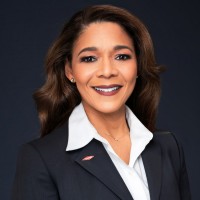
Senior Director, Manufacturing and Engineering Operations, Talent Strategy, Dow
“Once we start to engage with the platform, we will be able to see skills and experiences evolving in other places that Dow has never considered, and we will be able to identify and target that talent to meet our needs.”

Ready Set Next is developing the employer side of the experience. Houston employers can help shape future tools by bringing real priority roles, skills needs, recruiting workflows and workforce challenges into design and testing.